What Is Considered a Tree Emergency?
A tree emergency happens when a tree or its branches become an immediate danger to people, property, or power lines. This typically involves fallen trees, severe leaning, hanging broken limbs, or storm-damaged trees that could collapse at any moment. When you face this situation, acting quickly is essential for safety.
The Short Answer
Any tree that poses an immediate threat qualifies as a tree emergency. Specifically, this includes trees that have fallen onto structures, are leaning dangerously, have large broken branches hanging overhead, or are touching power lines. In these cases, professional help is needed right away.
Why This Matters for Homeowners
Living in the Tampa Bay area means dealing with severe storms, hurricanes, and high winds throughout the year. Consequently, tree emergencies are more common here than in many other regions. Understanding what constitutes a tree emergency can save your home, protect your family, and help you avoid costly repairs. Additionally, knowing when to call for help ensures you get the right response at the right time.
What Counts as a Tree Emergency?
Here are the situations that require immediate professional attention:
Fallen Trees
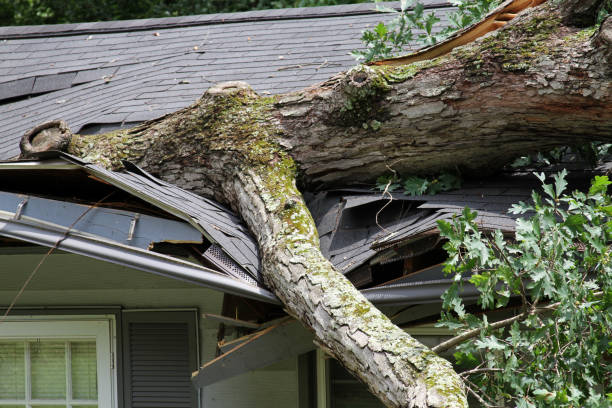
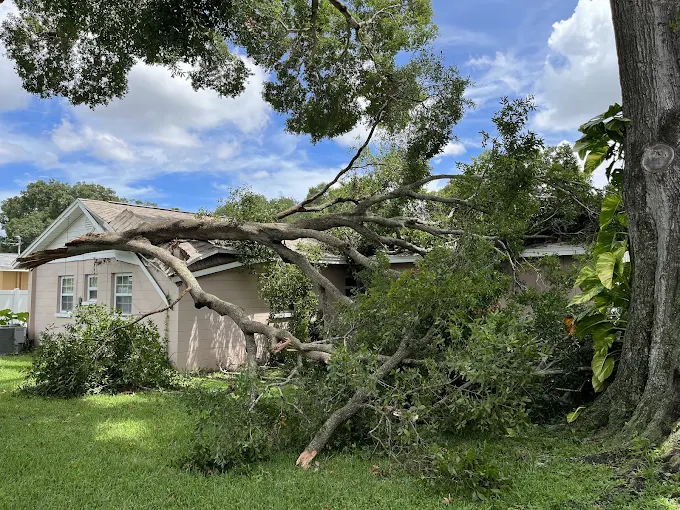
A tree that has crashed onto your house, garage, car, or driveway creates an immediate danger. Moreover, it may block emergency access or create structural risks.
Leaning Trees
When a tree suddenly develops a severe lean, the root system has likely failed. Therefore, the tree could fall without warning, making this a serious emergency.
Hanging Branches
Large branches that are cracked but still attached are extremely unpredictable. They can fall at any moment, especially during wind or rain.
Storm-Damaged Trees
Trees with split trunks, cracked limbs, or extensive bark damage after a storm are structurally compromised. As a result, they may fall even in calm conditions.
Trees Near Power Lines
Any tree touching or about to fall on power lines creates a life-threatening hazard. Consequently, this requires immediate action from both utility companies and tree professionals.
Uprooted Trees
Trees that are partially or completely uprooted are unstable and dangerous. The compromised root system means they can topple unexpectedly.
Dead Trees
A dead tree near your home or in a public area poses an ongoing risk. Meanwhile, severe decay makes it more likely to fall without notice.
What Is NOT a Tree Emergency?
Not every tree issue requires immediate attention. For instance, these situations can typically wait for scheduled service:
Trees growing slowly without immediate danger
Routine maintenance like trimming small branches
Trees dropping leaves or small twigs
Minor damage that doesn’t affect stability
What to Do During a Tree Emergency
If you’re facing a tree emergency, here’s what to do:
Step 1: Prioritize Safety
Keep everyone away from the danger zone. This includes children, pets, and neighbors. Don’t approach the tree or any fallen branches.
Step 2: Check for Injuries
Assess if anyone has been hurt. Call 911 immediately if there are injuries or if the tree has hit power lines.
Step 3: Call a Professional
Contact a tree removal company that offers emergency services. They have the training and equipment to handle the situation safely.
Step 4: Document Everything
Take photos and videos of the damage for insurance purposes. Consequently, this documentation will help with your insurance claim.
Step 5: Stay Calm
Tree emergencies are stressful, but staying calm helps you make better decisions. Remember that trained professionals are on their way to help.
Why Professional Help Is Essential
Handling a tree emergency yourself is extremely dangerous for several reasons:
Unpredictable: Damaged trees can shift or fall without any warning.
Heavy: Large branches and trunks weigh hundreds or even thousands of pounds.
Power Line Risk: Contact with power lines can cause electrocution.
Equipment Needed: Professional tools and safety gear are essential for safe removal.
Injury Risk: Falls, cuts, and crushing injuries are common among untrained individuals.
How to Prevent Tree Emergencies
While not all emergencies can be prevented, regular maintenance reduces your risk significantly:
Schedule annual tree inspections
Remove dead or diseased trees promptly
Trim branches that overhang your roof
Keep trees away from power lines
Address leaning trees before storms
Remove hazardous trees proactively
How Grindem Out Can Help
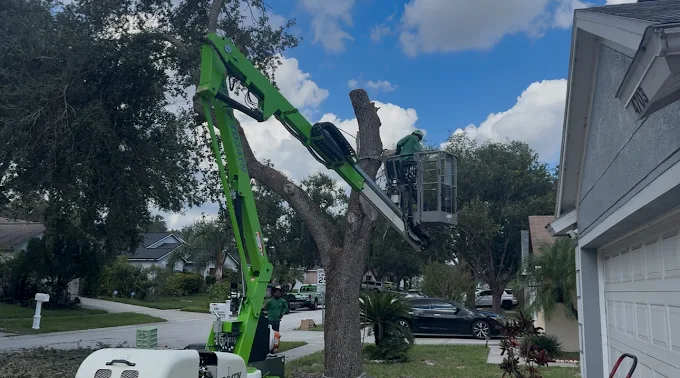
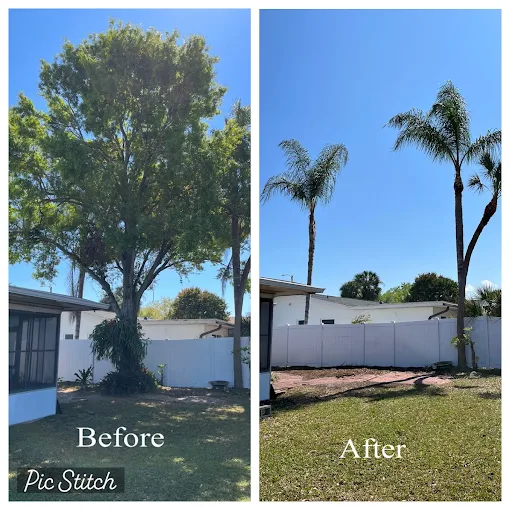
At Grindem Out, we understand how stressful tree emergencies can be. Therefore, we offer fast, reliable Emergency Tree Removal to protect your home and family. Our team responds quickly, evaluates the situation, and removes the hazard safely.
We also offer:
Tree Removal for planned removals
Stump Grinding to clean up after removal
Tree Trimming for maintenance
Palm Tree Trimming for your palms
Mulching Service and Brush & Debris Removal
As a family-owned company, we treat your property with care. We communicate clearly, show up on time, and leave your yard cleaner than we found it. Moreover, we’re fully licensed and insured for your peace of mind.
We Serve the Tampa Bay Area
We proudly serve homeowners throughout the Tampa Bay area, including Tampa, Clearwater, Largo, Palm Harbor, Tarpon Springs, Oldsmar, Westchase, and surrounding communities. We know the local trees and weather conditions, so you can trust our advice.
Frequently Asked Questions
How quickly should I respond to a tree emergency?
Immediately. A tree emergency can escalate quickly, especially during storms or high winds. Consequently, call a professional as soon as you notice a dangerous situation.
Do I need a permit for emergency tree removal in Tampa?
In many cases, you don’t need a permit for emergency removal if the tree poses an immediate danger. However, document the situation and check with local authorities to be safe.
Will my homeowners insurance cover emergency tree removal?
Typically, insurance covers emergency tree removal if the tree has fallen and damaged a structure. Removal of a standing tree that’s dangerous is usually not covered. Therefore, check with your insurance provider.
What if a tree falls in my yard but doesn’t damage anything?
Even if no damage occurs, you’ll need to remove the fallen tree. This is often considered an emergency if the tree is blocking access or creating a hazard.
How do I prevent tree emergencies?
Regular tree inspections and maintenance can prevent many tree emergencies. Trimming dead branches and removing hazardous trees before storms reduces your risk significantly.