Can This Tree Be Saved? Or Is It Time to Let It Go?
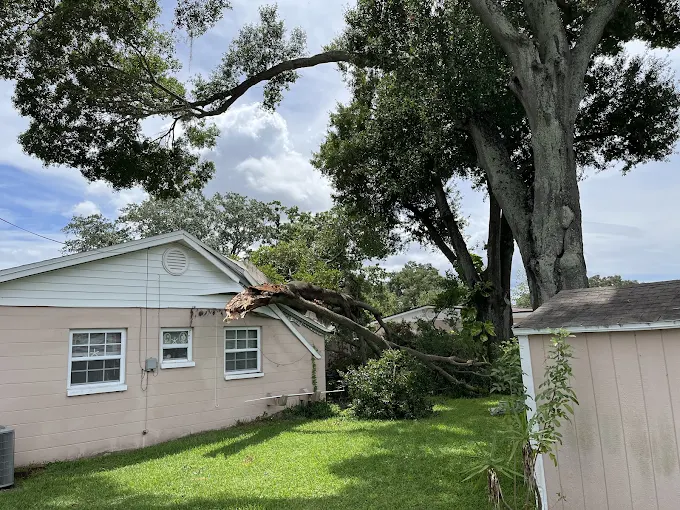
You look at your tree after a storm and wonder—is there hope? The answer isn’t always simple. Some trees have an incredible ability to heal and bounce back. Others are simply too damaged to survive. Here’s how to tell the difference and make the right call for your property.
The Straight Answer
Some damaged trees can be saved with proper care, while others need removal for safety reasons. Trees with minor branch damage or less than 25% trunk injury often recover. But trees with major cracks, significant bark loss, or root damage are usually beyond saving. A professional inspection is your best guide.
Why This Decision Matters
For homeowners in Tampa, Clearwater, and across the Tampa Bay area, tree damage is a common issue. Our storms can be brutal, leaving trees battered and broken. Making the right choice—save or remove—affects your safety, your property value, and your landscape’s beauty. Keeping a dangerous tree puts your home at risk. Removing a salvageable tree means losing years of growth and shade. Getting it right is important.
What Determines a Tree’s Fate?
Several key factors help decide if a tree can recover or needs removal:
The 50% Rule for Bark
Think of bark as a tree’s skin. If more than half the bark is missing around the trunk, the tree can’t transport nutrients. It will likely die. Less than 25% damage? The tree has a good chance.
The Trunk Test
Small cracks or wounds on the trunk are often manageable. But deep splits that go all the way through the trunk? That’s a structural failure waiting to happen.
The Root Check
Roots are the tree’s foundation. If they’re exposed, crushed, or severed, the tree is unstable. It may not survive, and it could fall.
The Canopy Look
If most of the branches are broken but the trunk is intact, pruning can save the tree. If the canopy is almost gone, the tree may not have enough leaves to feed itself.
The Lean Factor
Was the tree straight before the storm? Is it leaning now? A sudden lean means root failure—and that usually means removal.
The Species Factor
Some trees are tough. Live oaks and crape myrtles often recover from damage. Other species, like pines, are more fragile and less likely to survive.
The Age Factor
Younger trees have more energy to heal. Older trees take longer and may not recover fully.
Common Damage Scenarios and What They Mean
Here’s a practical guide to common situations:
Broken Branches
What You See: Some limbs snapped off.
Outlook: Usually good. The tree can be pruned and will likely recover.
Action: Call a professional for trimming.
Scraped or Missing Bark
What You See: Bark scraped off by wind or debris.
Outlook: Depends on how much. Small areas heal. Large areas are trouble.
Action: Get a professional inspection.
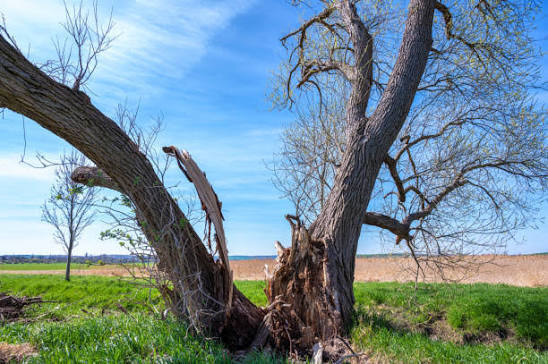
Split Trunk
What You See: A crack running down the main trunk.
Outlook: Often poor. The tree’s structure is compromised.
Action: Likely removal needed.
Leaning Tree
What You See: The tree now leans, and it didn’t before.
Outlook: Poor. Roots are failing.
Action: Emergency removal may be needed.
Root Damage
What You See: Roots are exposed, cut, or crushed.
Outlook: Poor to fair. Depends on how many roots are damaged.
Action: Professional evaluation required.
Topped Tree
What You See: The top of the tree was cut off.
Outlook: Poor. Topping often leads to decay and death.
Action: Likely removal needed.
Your Options for a Damaged Tree
Option 1: Tree Removal
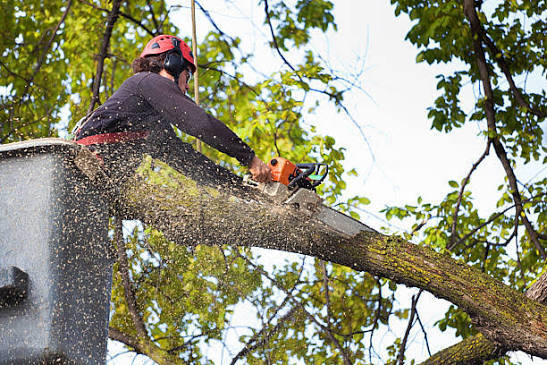
This is necessary when the tree is a safety hazard, too damaged to recover, or dead. A professional removes the tree safely and can grind the stump.
Option 2: Tree Restoration
For trees with a good chance of survival, restoration care can help. This includes:
Pruning: Removing broken branches properly to promote healing.
Fertilization: Carefully applied to support recovery.
Monitoring: Regular checks to ensure the tree is healing.
Option 3: Do Nothing (Not Recommended)
Ignoring a damaged tree is risky. It could decline slowly or fall suddenly. Always take action, even if it’s just a professional inspection.
What to Do Right After Damage Occurs
Stay Away: Don’t go near damaged trees, especially if power lines are involved.
Take Photos: Document the damage for insurance.
Call a Pro: Schedule an inspection as soon as possible.
Don’t DIY: Climbing a damaged tree is extremely dangerous.
How Grindem Out Can Help
At Grindem Out, we help Tampa Bay homeowners make tough decisions about damaged trees. Our team comes to your property, evaluates the damage, and gives you honest, straightforward advice. We never recommend work you don’t need.
If your tree can be saved, we offer professional Tree Trimming and pruning to help it recover. We can also provide Palm Tree Trimming for damaged palms. If removal is the safest choice, we offer Tree Removal and Emergency Tree Removal to protect your property. After the tree is down, we handle Stump Grinding and Brush & Debris Removal to leave your yard clean.
We Serve Your Tampa Bay Community
We’re proud to serve homeowners throughout the Tampa Bay area, including Tampa, Clearwater, Largo, Palm Harbor, Tarpon Springs, Oldsmar, Westchase, and many surrounding communities. We know the local trees and conditions, so you can trust our judgment.
Frequently Asked Questions
How long does it take a damaged tree to recover?
Recovery depends on the damage extent. Minor issues may heal in one season. More significant damage can take several years. Regular monitoring is important.
Can a tree with a split trunk survive?
Sometimes, if the split is small and doesn’t affect the tree’s structure. But deep splits often mean the tree is unstable and should be removed.
Should I seal a tree wound after damage?
No, tree wound sealants are generally not recommended. They can trap moisture and promote decay. Let the tree heal naturally.
Can a lightning-struck tree survive?
It depends. If the lightning damaged less than 25% of the trunk bark, the tree may recover. If the damage is extensive or the tree is split, removal is likely needed.
How do I know if a damaged tree is dangerous?
Signs include leaning, large cracks, significant bark loss, or the tree being near power lines. If you’re unsure, call a professional for an inspection.