How Often Should Palm Trees Be Trimmed?
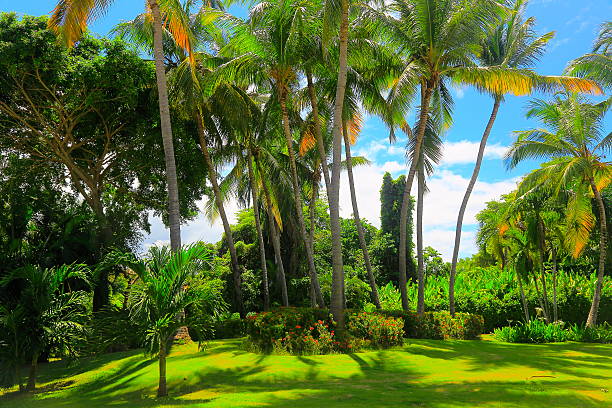
Palm trees are the crown jewels of Florida landscaping. They evoke tropical vibes and frame our beautiful sunsets. But these iconic trees don’t take care of themselves. Regular trimming keeps them looking their best and prevents safety hazards.
The Short Answer
Most palm trees need trimming once or twice a year. However, the exact frequency depends on the species, age, and location of your palms. Dead fronds should be removed whenever they appear. A professional arborist can give you a personalized schedule for your trees.
The Rhythm of Palm Growth
Understanding palm growth helps you know when to trim:
New Fronds
Palms grow new fronds from the top. As they age, lower fronds die off naturally.
Dead Fronds
These turn brown and droop. They’re not just unsightly—they’re a safety hazard.
The Trimming Window
The goal is to remove dead fronds while preserving healthy ones. This keeps the tree healthy and attractive.
Factors That Affect Trimming Frequency
Species Matters
Sabal Palm: Slower growing, needs less frequent trimming
Royal Palm: Faster growing, needs more attention
Date Palm: Moderate growth, regular maintenance needed
Queen Palm: Fast growing, frequent trimming beneficial
Age
Younger palms grow faster and may need more frequent trimming. Mature palms slow down.
Location
Palms in high-traffic areas need more frequent trimming for safety.
Weather
Our warm climate means year-round growth. Trimming schedules should reflect this.
Health
Healthy palms produce more fronds and may need more frequent trimming.
The General Guidelines
Annual Trimming
Most palms benefit from at least one trim per year.
Biannual Trimming
Fast-growing species may need trimming twice a year.
As-Needed Trimming
Remove dead fronds whenever they appear, regardless of the schedule.
Special Cases
Before Hurricane Season: Trim to remove potential projectiles
After Storms: Remove damaged fronds promptly
After Freezes: Remove frost-damaged fronds once weather warms
The Price of Neglect
Safety Risks
Dead fronds can fall and injure people or pets. They can also damage cars, roofs, and fences.
Pest Problems
Dead fronds attract rats, snakes, and insects. They provide shelter and nesting sites.
Fire Hazard
In dry conditions, dead fronds can be a fire risk.
Aesthetic Decline
Unkempt palms look neglected. They reduce curb appeal and property value.
Signs It’s Time to Trim
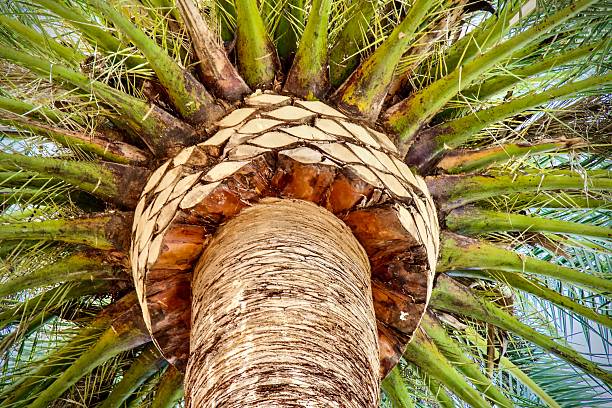
Brown, Drooping Fronds
The most obvious sign. They need to go.
Fronds Touching Structures
If fronds brush against your house or roof, trim them back.
Seed Pods
These can be heavy and attract pests. Remove them when they appear.
Disease or Damage
Discolored fronds or signs of disease need attention.
Overgrown Canopy
If the canopy looks too full or unbalanced, trimming helps.
The 5-Step Trimming Process
Step 1: Inspection
A professional examines the palm and identifies what needs removal.
Step 2: Planning
They decide which fronds to remove and which to keep.
Step 3: Safety Setup
They set up safety equipment and clear the area.
Step 4: Trimming
They remove dead fronds, seed pods, and any hazards.
Step 5: Cleanup
They remove debris and leave your property clean.
Why Professionals Are Worth It
Safety
Climbing palms is dangerous. Professionals have the equipment and training.
Knowledge
They know which fronds to remove and how much to take.
Efficiency
They work quickly and effectively.
Quality
Proper trimming keeps palms healthy and attractive.
How Grindem Out Can Help
At Grindem Out, we specialize in palm tree care. Our team knows the local species and their needs. We trim palms safely and correctly, keeping them healthy and beautiful.
We offer:
Palm Tree Trimming – Professional palm care
Tree Trimming – General tree trimming
Tree Removal – Removal of hazardous trees
Emergency Tree Removal – Quick response for storm damage
Stump Grinding – Complete cleanup
Mulching Service – Maintain healthy soil
We’re a family-owned company that treats your property with care. We’re licensed, insured, and committed to your satisfaction.

We Serve the Tampa Bay Area
Our team proudly serves homeowners throughout the Tampa Bay area, including Tampa, Clearwater, Largo, Palm Harbor, Tarpon Springs, Oldsmar, Westchase, and surrounding communities.
Frequently Asked Questions
How do I know if my palm tree is healthy?
Look for green fronds, a sturdy trunk, and new growth. If you’re unsure, a professional can assess your tree’s health.
Can I trim my palm tree myself?
Small, low-growing palms can be trimmed by homeowners. However, tall palms or those near power lines should be left to professionals.
Will trimming hurt my palm tree?
Proper trimming doesn’t hurt palms. In fact, it promotes health by removing dead material.
How much does professional palm trimming cost?
Costs vary based on the tree’s size, number of trees, and accessibility. A professional can provide an accurate estimate after an on-site inspection.
What if I don’t trim my palm tree?
Dead fronds can fall and cause injury or damage. They also attract pests and make the tree look unkempt.