How Do I Know When My Trees Need to Be Trimmed?
Trees are like silent residents of your yard. They grow, change, and sometimes develop problems that aren’t obvious at first glance. Learning to read their signals helps you know when it’s time to trim. The signs are there—you just need to know what to look for.
The Short Answer
Trees need trimming when they show signs of decline, danger, or disorder. This includes dead branches, branches rubbing against each other, growth that’s too dense, limbs touching your house or power lines, and visible disease or pests. Trimming at the right time keeps trees healthy and your property safe.
The Value of Regular Trimming
Think of tree trimming like going to the dentist. Regular checkups prevent small problems from becoming big ones. When you trim trees regularly, you:
Prevent Disease: Remove infected branches before they spread
Reduce Risk: Eliminate branches that could fall on your house
Improve Appearance: Shape trees for better structure
Save Money: Avoid costly damage or removal later
Protect Neighbors: Keep branches from damaging neighboring properties
Reading Your Tree’s Signals
Trees communicate through visible changes. Here’s how to read the messages:
Signal 1: The Dead Branch Alert
Branches that are brittle, have no leaves, or show signs of decay are a problem. They’re not just unsightly—they’re dangerous. Dead branches can fall at any time, especially during storms.
Action: Remove them promptly.
Signal 2: The Overgrowth Warning
When a tree grows too large for its space, it becomes a problem. It blocks sunlight, crowds other plants, and creates a safety hazard.
Action: Trim to maintain appropriate size.
Signal 3: The Crossing Branch Sign
Branches that cross and rub against each other create wounds. These wounds invite disease and pests.
Action: Remove the less desirable branch.
Signal 4: The Proximity Alert
Branches touching your house, garage, or power lines are a serious concern. They can damage structures and create fire hazards.
Action: Trim them back immediately.
Signal 5: The Disease Indicator
Discolored leaves, unusual growths, or visible pests mean your tree is stressed. Left untreated, the problem can spread.
Action: Remove affected branches and monitor the tree.
Signal 6: The Storm Damage Report
After a storm, trees often have broken or hanging branches. These need prompt attention.
Action: Call a professional for an assessment.
Signal 7: The Growth Pattern Change
If a tree suddenly stops growing or shows signs of decline, something is wrong. It might need trimming or other care.
Action: Have a professional inspect the tree.
The Best Time to Trim
Hurricane Season Prep
Florida’s hurricane season runs from June through November. Trimming before hurricane season reduces the risk of storm damage. Remove weak branches that could become projectiles.
Dormant Season Trimming
Late winter or early spring is ideal for most trees. The tree is dormant, which means less stress and better healing.
Year-Round Maintenance
Dead or dangerous branches should be removed immediately, regardless of the season. Don’t wait for the “right time” when safety is at risk.
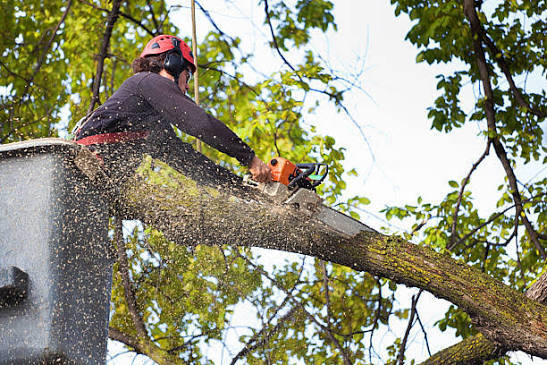
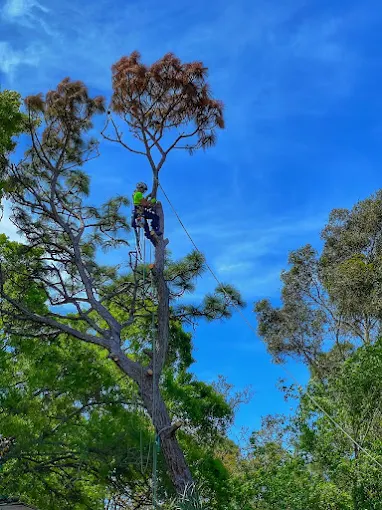
Trimming vs. Pruning: What’s the Difference?
These terms are often used interchangeably, but they have slightly different meanings:
Trimming
Focuses on aesthetics and shape. It’s about making the tree look good and fit its space.
Pruning
Focuses on health and safety. It’s about removing dead, diseased, or dangerous branches.
Professional Approach
The best tree care combines both trimming and pruning for optimal results.
What Happens If You Don’t Trim?
Safety Risks
Dead branches can fall and injure people or pets. They can also damage your home, car, or fence.
Property Damage
Branches can scrape against your roof, damaging shingles and gutters. They can also break windows.
Pest Problems
Diseased branches attract pests that can spread to other trees.
Legal Liability
If your tree damages a neighbor’s property, you could be liable.
How Grindem Out Can Help
At Grindem Out, we understand the unique needs of trees in the Tampa Bay area. Our team provides professional trimming services that promote tree health and safety. We know the local species, climate, and regulations.
We offer:
Tree Trimming – Professional trimming for healthy trees
Palm Tree Trimming – Specialized care for palms
Tree Removal – Safe removal when needed
Emergency Tree Removal – Quick response for storm damage
Stump Grinding – Complete cleanup
Mulching Service – Maintain healthy soil
We’re a family-owned company that treats your trees with care. We’re licensed, insured, and committed to your satisfaction.
We Serve the Tampa Bay Area
Our team proudly serves homeowners throughout the Tampa Bay area, including Tampa, Clearwater, Largo, Palm Harbor, Tarpon Springs, Oldsmar, Westchase, and surrounding communities.
Frequently Asked Questions
How often should I have my trees trimmed?
Most trees benefit from trimming every 3-5 years. However, fast-growing species or trees near structures may need more frequent attention. A professional can give you a personalized schedule.
Can I trim my trees during hurricane season?
Yes, but it’s best to trim before hurricane season begins. Trimming during the season is still possible but may carry some risk.
What’s the cost of professional tree trimming?
Costs vary based on tree size, number of trees, and the complexity of the job. A professional can provide an accurate estimate after an on-site inspection.
Will trimming hurt my tree?
Proper trimming techniques actually promote tree health. Improper trimming can cause damage. That’s why hiring a professional is important.
How do I choose a tree trimming service?
Look for licensed, insured companies with good reviews. Ask about their experience and safety practices. Get multiple quotes before deciding.