Can a Tree Be Removed If It’s Right Next to Your House?
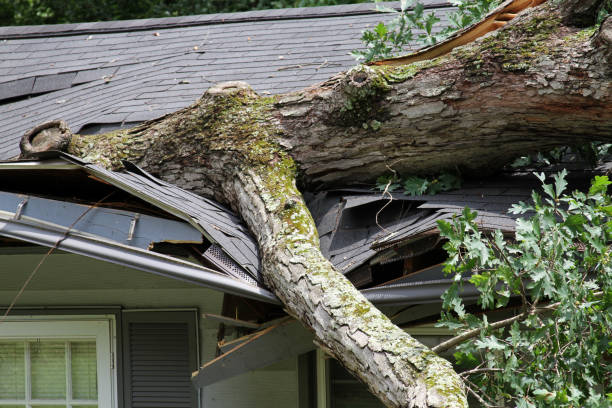
Yes, a tree can be removed even if it’s inches from your home. Professional tree removal companies have the equipment and techniques to handle tight spaces safely. However, this type of job requires extra skill, careful planning, and specialized methods to protect your property.
The Short Answer
Absolutely. Trees close to houses are removed all the time. The process involves careful cutting, roping, and lowering branches piece by piece. While it’s more complex than removing a tree in an open yard, experienced professionals do this safely every day.
Why This Matters for Homeowners
For homeowners in Tampa, Clearwater, and across the Tampa Bay area, having trees close to homes is common. Our warm climate means trees grow large and sometimes too close for comfort. When a tree near your house becomes dangerous, diseased, or simply too large, removal is often the only option. The good news is that professionals can handle these tricky situations without damaging your home.
How Tree Removal Works in Tight Spaces
Climbing and Roping
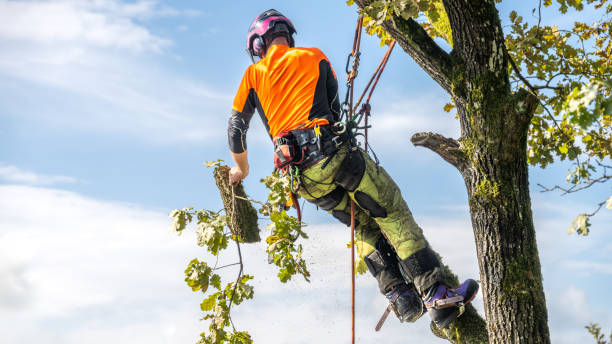
Arborists climb the tree and tie ropes to sections of branches. They cut pieces and lower them carefully to the ground with ropes. Nothing falls or hits the house.
Bucket Trucks
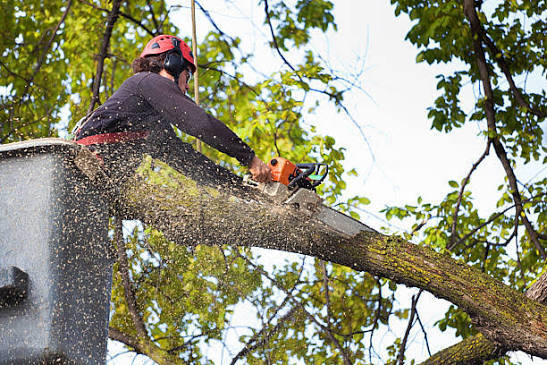
For larger trees, a bucket truck allows the arborist to reach high branches safely. This provides better control and precision.
Crane-Assisted Removal
For massive trees or dangerous situations, a crane can lift large sections over the house. This is the safest method for the most challenging jobs.
Piece-by-Piece Dismantling
Instead of felling the whole tree, professionals take it down in small, manageable pieces. This gives complete control over where each piece goes.
What Makes This Type of Removal Different?
Protecting Your Home
Professionals use padding and protection on your roof and gutters. They plan every cut to avoid any contact with your house.
Limited Equipment Access
In tight spaces, large equipment may not fit. This means more manual work, which can increase the time and cost.
Power Line Concerns
Trees near houses are often near power lines too. This adds another layer of complexity and safety precautions.
Neighbor Considerations
Removing a tree close to property lines may affect neighbors. Professionals communicate and plan to minimize disruption.
What Factors Make This Job More Complex?
Tight Drop Zones
With a house nearby, there’s no room for the tree to fall. Every section must be lowered carefully.
Multiple Obstacles
Besides the house, there might be fences, gardens, patios, or sheds in the way. Each obstacle needs consideration.
Tree Condition
If the tree is dead or diseased, it’s more dangerous to work on. Unstable wood can break unpredictably.
Size Matters
Larger trees near houses take longer and cost more due to the careful work required.
Access Challenges
If the tree is in a backyard with limited access, equipment may need to be carried in manually.
What Are Your Options?
Full Tree Removal
The tree is completely removed, including the stump. This is the safest option for eliminating risk.
Tree Trimming
If the tree is healthy and not a danger, trimming can reduce risk. Branches overhanging your roof can be pruned back.
Cabling and Bracing
For valuable trees with minor issues, support systems can provide stability. This doesn’t remove the tree but makes it safer.
Stump Grinding
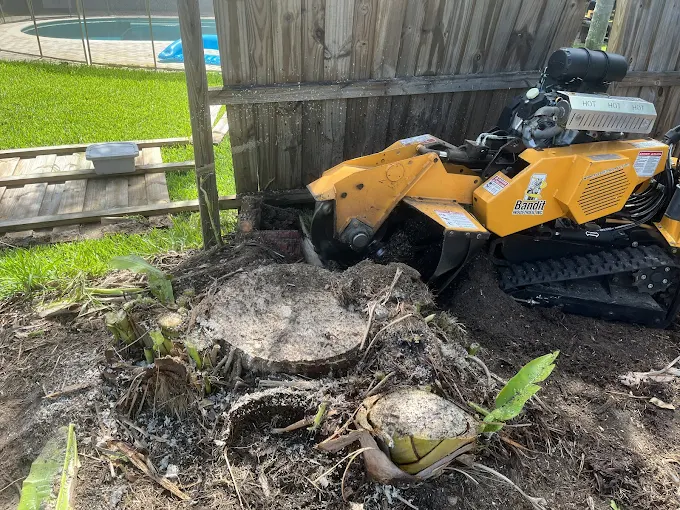
After removal, the stump is ground down below ground level. This eliminates tripping hazards and allows landscaping.
Why You Should Never DIY This Job
Removing a tree close to a house is not a DIY project. Here’s why:
Extreme Danger: One wrong cut and a branch or tree falls on your house.
Equipment Needs: Professional gear like ropes, harnesses, and bucket trucks are essential.
Training Required: Arborists train for years to handle these situations safely.
Insurance Matters: If you damage your home, your insurance may not cover DIY tree removal accidents.
Property Damage: A mistake can cost tens of thousands of dollars in repairs.
How Grindem Out Can Help
At Grindem Out, we specialize in removing trees in challenging locations, including those right next to houses. Our team has the experience and equipment to handle tight spaces safely and efficiently.
We offer:
Tree Removal for trees of all sizes, even in tight spots
Emergency Tree Removal for urgent situations
Stump Grinding to clean up after removal
Tree Trimming to maintain trees near homes
Palm Tree Trimming for your palms
Brush & Debris Removal for a clean finish
As a family-owned company, we treat your home like our own. We protect your property, clean up thoroughly, and communicate clearly throughout the process. We’re fully licensed and insured for your peace of mind.
We Serve the Tampa Bay Area
We proudly serve homeowners throughout the Tampa Bay area, including Tampa, Clearwater, Largo, Palm Harbor, Tarpon Springs, Oldsmar, Westchase, and surrounding communities. We know the local trees and conditions, so you can trust our advice.
Frequently Asked Questions
How close can a tree be to a house before it’s a problem?
Generally, trees within 10 feet of a house are considered close. However, even trees further away can be problematic if they’re large, leaning, or diseased. A professional can assess your specific situation.
Will removing a tree near my house damage my foundation?
When done properly by professionals, tree removal should not damage your foundation. Arborists take precautions to protect your home during the removal process.
How long does it take to remove a tree close to a house?
It depends on the tree’s size and complexity. A simple removal might take a few hours, while a large, complex job could take a full day or more.
Can a tree near a house be removed without a crane?
Yes, many trees can be removed through climbing and roping techniques. Cranes are typically used only for very large trees or when the tree is in a particularly difficult position.
Is it more expensive to remove a tree near a house?
Yes, usually. The extra time, skill, and equipment needed for tight space removal typically increase the cost compared to a tree in an open area.