What Should I Do If a Tree Falls on My House?
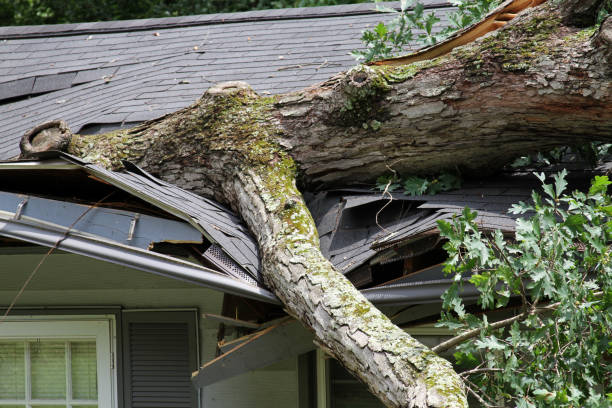
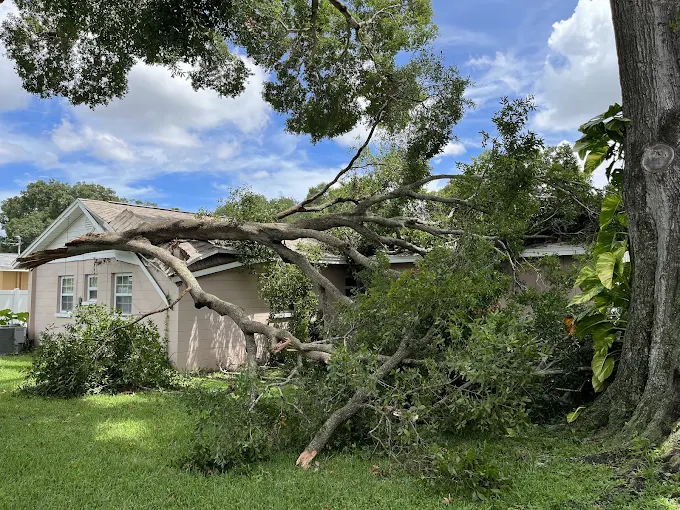
A tree crashing onto your home is frightening and overwhelming. Taking the right steps quickly can prevent further damage, keep your family safe, and streamline the recovery process. This guide walks you through exactly what to do in this stressful situation.
The Short Answer
Your first priority is safety—get everyone out of the house if the structure is compromised. Next, call 911 if there are injuries or downed power lines. Document the damage with photos, contact your insurance company, and call a professional tree removal service to safely remove the tree and assess structural damage.
Why This Knowledge Is Essential
Homeowners in Tampa, Clearwater, and the surrounding Tampa Bay area face a higher risk of trees falling on houses than many other regions. Our area experiences hurricane season, intense thunderstorms, and sudden high winds throughout the year. Additionally, many properties feature large, mature trees that have grown close to homes over decades. Being prepared for this scenario before it happens means you can stay calm and focused when every second counts.
Your Emergency Checklist
When a tree hits your house, follow this sequence:
1. Protect Lives First
Your family’s safety is the priority. Get everyone to a safe location away from the damage. If the tree has compromised the structure’s integrity, evacuate immediately. Call 911 if anyone is injured.
2. Look for Immediate Dangers
Check for visible threats that could escalate the situation. Fire, downed power lines, and gas leaks are serious hazards. If you smell gas or see sparking wires, call 911 and the utility company without delay.
3. Capture Evidence
Once you are at a safe distance, take out your phone and start documenting everything. Photograph the tree, the damage to your home, and any personal property that was affected. Videos can be especially helpful for showing context and scale.
4. Notify Your Insurance Provider
Contact your homeowners insurance company as soon as possible. They will guide you through the claims process and help you understand your coverage. Ask them about the timeline for getting an adjuster to inspect the damage.
5. Get Professional Help
Contact a tree removal company that offers emergency services. This is not a do-it-yourself project. Professionals have the training to safely remove the tree without causing additional harm to your home.
6. Limit Secondary Damage
If it is safe and you are physically able, take steps to protect your home from further harm. Cover any holes in your roof with a tarp to prevent water intrusion. Board up broken windows if you can do so safely.
What Not to Do
Do Not Wait: Delaying action can lead to more damage from weather or structural weakening.
Do Not DIY: Removing a tree from a house is a dangerous job that requires specialized equipment and skills.
Do Not Enter Unsafe Areas: Stay out of rooms with sagging ceilings or visible structural damage.
Do Not Throw Away Damaged Items: Keep damaged belongings until your insurance adjuster has seen them.
Do Not Panic: Stay focused and follow your checklist. The situation is stressful, but clear thinking helps you make better decisions.
Insurance: What You Need to Know
Navigating insurance claims can be confusing. Here are the key points:
Coverage Typically Includes:
The cost to remove a tree that has damaged your home
Repair costs for your roof, walls, and other structures
Replacement or repair of damaged personal belongings
Temporary living expenses if your home is uninhabitable
Common Exclusions:
Removing a tree that has fallen but hasn’t damaged anything
Preventive removal of a tree that is considered dangerous
Damage from trees that were neglected or diseased
Important: Check with your specific insurance provider to understand the details of your policy.
Why Professional Tree Removal Is Non-Negotiable
Removing a tree from a house is dangerous work. Here is why professionals are essential:
Weight Management: A large tree can weigh several tons. Professionals know how to cut and remove sections safely.
Structural Knowledge: They understand how to remove the tree without causing further damage to your home.
Equipment: They have specialized tools like cranes, rigging, and saws.
Safety Training: They are trained to handle emergencies and work in hazardous conditions.
Liability: Licensed and insured professionals protect you from liability if something goes wrong.
How Grindem Out Can Help
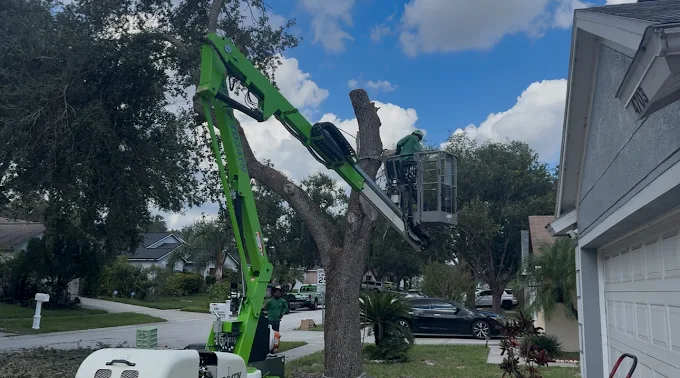
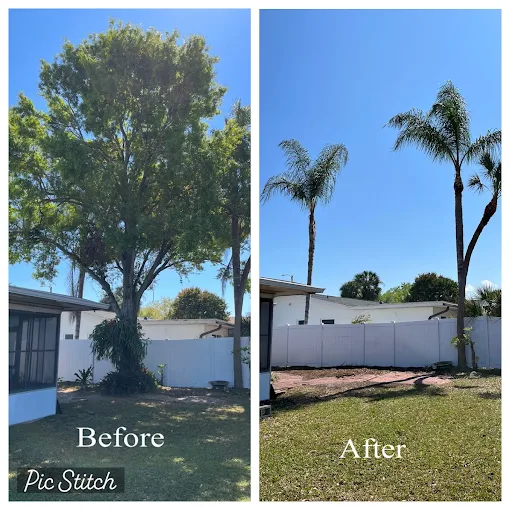
Grindem Out is here for you when you face a tree emergency. We respond quickly, assess the situation, and develop a plan to safely remove the tree. Our team works efficiently to restore safety to your property.
Our emergency services include:
Emergency Tree Removal – 24/7 response for urgent situations
Tree Removal – Safe removal of all tree sizes
Stump Grinding – Complete cleanup after removal
Brush & Debris Removal – Thorough site cleanup
As a family-owned and operated business, we treat your property with respect and care. We understand the stress you are under and work to make the process as smooth as possible.
We Serve the Tampa Bay Area
Our team proudly serves homeowners across the Tampa Bay region, including Tampa, Clearwater, Largo, Palm Harbor, Tarpon Springs, Oldsmar, Westchase, and surrounding communities.
Frequently Asked Questions
How soon should I get the tree removed?
Immediately. The longer a tree remains on your house, the more damage it can cause from shifting weight, wind, and rain. Prompt removal also helps with insurance claims.
What if the tree damaged electrical lines?
Call 911 and your utility provider right away. Stay at least 30 feet away from any downed lines. Never attempt to remove branches near power lines yourself.
Do I need to stay in my house after a tree falls on it?
Only if it is safe to do so. If the damage is severe and the structure is compromised, leave immediately and find alternate accommodations.
How much does emergency tree removal cost?
Costs vary based on the tree’s size, location, and complexity. The best way to get an accurate estimate is to have a professional assess the situation on-site.
Will my insurance cover emergency tree removal?
Typically yes, if the tree has damaged your home. However, coverage for removal without damage is usually not included. Confirm with your provider.