Is Your Tree a Danger?
Is Your Tree a Danger? Here Are the Warning Signs
You spot a tree on your property and wonder—is it safe? A tree can turn from a beautiful feature into a serious hazard without obvious warning. The truth is, nature often sends clear signals before a tree fails. Recognizing these danger signs is the first step toward protecting your home and family. If you see any of these indicators, don’t wait to take action.
The Quick Answer
A tree is a danger when it shows instability, disease, or damage. Look for sudden leaning, bark falling off, dead branches, mushrooms at the base, or soil cracking near the roots. These signs mean the tree could fall or drop large limbs at any time.
Why This Matters for Your Property
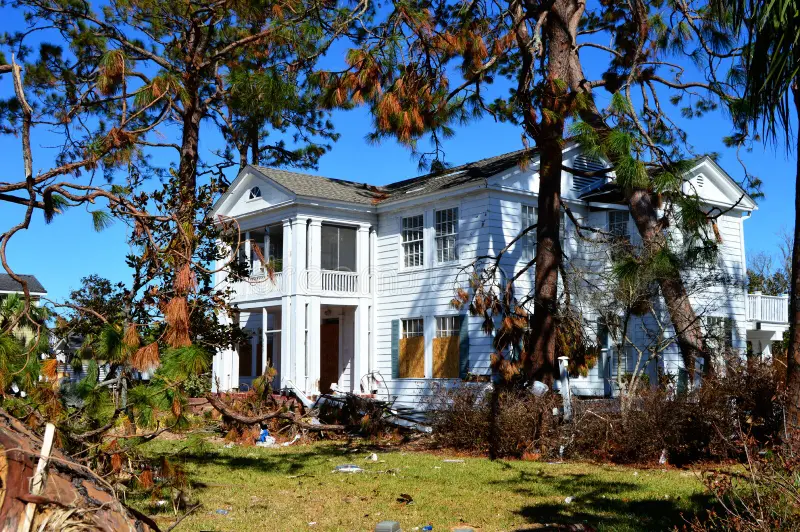
Here in Tampa Bay, our trees face unique challenges. Hurricanes, strong afternoon storms, and dry spells can stress even healthy trees. A tree that looks solid on the outside could have hidden rot or root problems. Ignoring these issues is risky. Falling trees cause property damage, injuries, and even deaths every year. Taking a few minutes to inspect your trees could save you thousands of dollars and keep your family safe.
The Most Common Danger Signs
Here are the things you should watch for when checking your trees:
The Lean Test
A tree that was straight but now leans is trouble. This is especially true if you see cracked soil or raised roots on the opposite side of the lean. This means the root system is failing.
Bark Problems
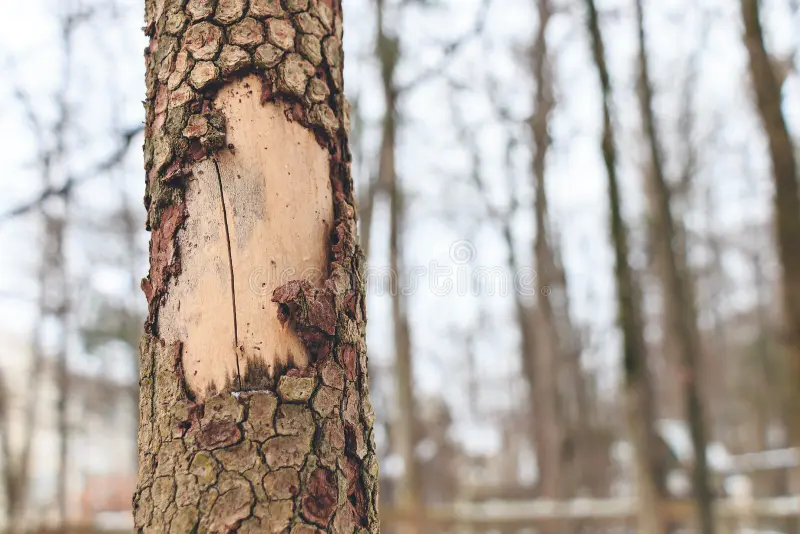
Bark that’s peeling, missing, or has deep vertical cracks is a bad sign. Healthy bark protects the tree. When it’s damaged, the tree is vulnerable to disease and insects.
The Deadwood Check
Branches that break easily, have no leaves, or are starting to fall on their own are a major warning sign. Dead branches can drop without warning.
Fungi and Rot
Mushrooms, shelf fungi, or any fungus growing on the trunk or roots means the wood is decaying from the inside. This weakens the tree’s structure.
Tree Shape
A “V” shaped fork where two main trunks meet is weaker than a “U” shaped one. V-shaped forks are more likely to split during storms.
Root Problems
Roots that are cut, damaged, or lifting out of the ground can’t hold the tree securely. This often happens from construction or erosion.
What Factors Make a Tree More Dangerous?
Some trees are riskier than others based on their location and condition. Think about these factors:
Proximity to structures: A tree next to your home, garage, or power line is a bigger risk.
Age and health: Older trees or those with diseases are more likely to fail.
Recent storms: Even minor storms can weaken trees.
Soil conditions: Soft, wet, or eroded soil can’t support a heavy tree.
When Should You Call a Professional?
You should call a professional tree service if you notice any of the warning signs above, especially if the tree is near your house or a place where people gather. Do not try to inspect a damaged tree yourself by climbing it or getting too close. A trained arborist has the tools and experience to safely evaluate the tree and recommend the right action. It’s always better to ask for a professional opinion than to wait for the tree to fall.
How Grindem Out Can Help You
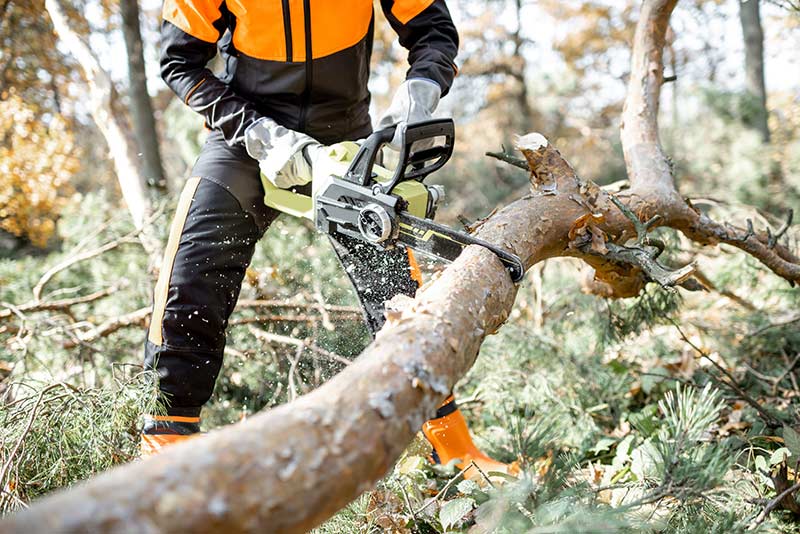
At Grindem Out, we specialize in helping Tampa Bay homeowners make smart decisions about their trees. We come to your property, inspect your trees, and give you honest, clear recommendations. If a tree is dangerous, we have the equipment and expertise to handle Emergency Tree Removal safely. We also offer full Tree Removal services for trees that are beyond saving. Our family-owned team treats every job with care and respect for your property.
We Serve Your Tampa Bay Community
We’re proud to serve homeowners throughout the Tampa Bay area, including Tampa, Clearwater, Largo, Palm Harbor, Tarpon Springs, Oldsmar, Westchase, and many surrounding communities. We know the local trees and conditions, so you can trust our advice.
Frequently Asked Questions
How often should I check my trees for danger signs?
You should do a visual inspection after every major storm and at least twice a year—in spring and fall. Look for broken branches, cracks, and other changes.
Can a tree with a hollow trunk be saved?
Sometimes, if the hollow is small and in a non-critical area. But large hollows or those in the main trunk usually mean the tree is a hazard and should be removed.
What if a tree is leaning but hasn’t fallen yet?
A leaning tree is a serious warning sign. The lean could get worse, and it could fall during the next storm. Call a professional to inspect it immediately.
Are palm trees dangerous in storms?
Palm trees can be dangerous if they are dead or have loose fronds. Dead fronds can become heavy projectiles in high winds, causing property damage or injury.
Take Action Before It’s Too Late
Worried about a tree on your property? Contact us today for a free estimate and professional inspection. We’ll give you honest advice and help you make the right choice for your home and safety.