A Tree Is Leaning Toward My House—Now What?
You walk outside and notice it—a tree that seems to be angling just a little too close to your home for comfort. Your gut tells you something isn’t right. And you’re probably correct. When a tree starts leaning toward a structure, it’s a clear warning sign that the root system is struggling. This isn’t a situation to ignore or put off for another day.
The Straight Answer
Yes, you should remove a tree that is leaning toward your house. The risk is simply too high to ignore. Once a tree shifts its weight toward a structure, it means the roots are failing. That tree could come down at any moment, especially during our Florida storms.
Why This Is a Big Deal for Homeowners
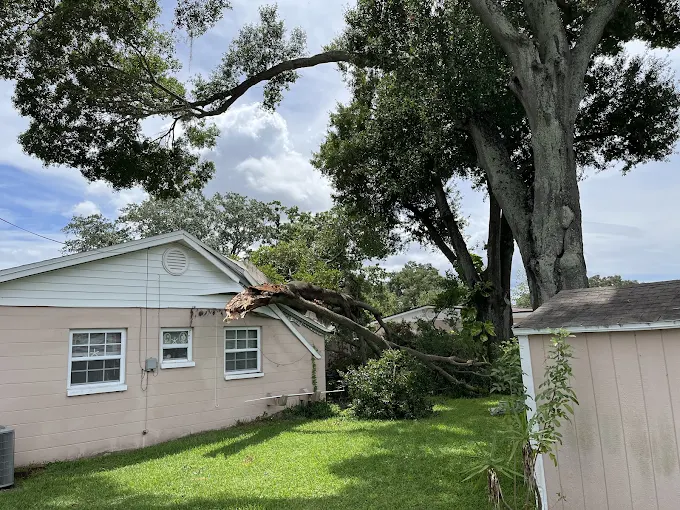
Living in the Tampa Bay area means dealing with storms, high winds, and heavy rain. These conditions can turn a slightly leaning tree into a dangerous projectile aimed at your home. Think about what could happen:
A tree crashes through your roof.
Branches smash through windows.
The trunk crushes your car in the driveway.
The tree takes down power lines, leaving you in the dark.
The financial cost of repairing this damage is huge. But even worse, someone could get hurt. Taking action now prevents all of this.
What Makes a Leaning Tree Dangerous?
Not every tree with a slight tilt is an emergency. But here’s what makes a leaning tree a serious concern:
The Speed of the Lean
A tree that has always leaned a little is less worrying than one that suddenly started leaning after a storm. A new or worsening lean means something is actively failing.
The Angle
The more extreme the angle, the greater the risk. If the tree looks like it’s bending toward your house, it’s time to act.
The Size
A large, heavy tree falling carries tremendous force. Even a smaller tree can cause damage if it’s at the right angle.
The Target
What’s in the tree’s path? Your home? A garage? A power line? The higher the potential damage, the more urgent the situation.
The Soil
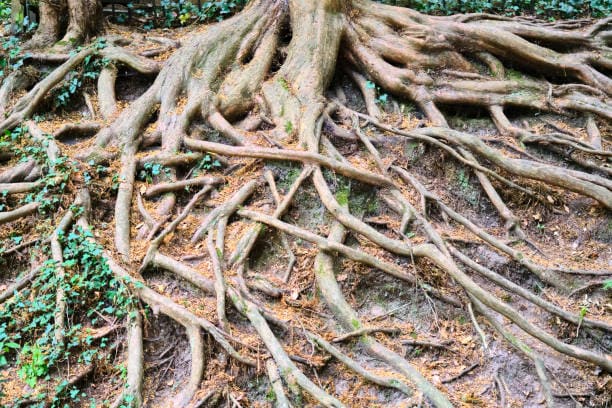
Look at the base of the tree. Are there cracks in the soil? Are roots exposed or lifting? This confirms the tree is moving.
What Causes a Tree to Lean?
Understanding the cause can help you decide your next steps:
Root Rot: The roots are decaying underground. You can’t see it, but the tree can’t hold itself up.
Storm Damage: High winds pushed the tree beyond its limits.
Soil Saturation: Heavy rain softens the ground, making it hard for roots to grip.
Construction: Digging, paving, or grading near the tree damaged its root system.
Weak Root Grip: Some trees have shallow root systems that can’t support a heavy top.
What Are Your Options?
When you have a leaning tree, you have a few paths forward:
Remove the Tree (Recommended)
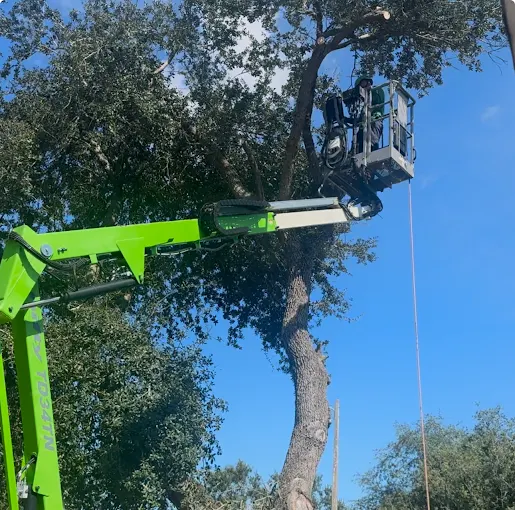
This is the safest choice. A professional cuts the tree down and removes it from your property.
Stabilize the Tree
In some cases, a tree can be braced or cabled. This is only an option if the lean is slight and the roots are still healthy.
Prune the Tree
Cutting branches from the lean side can reduce weight. But this is usually a temporary fix, not a solution.
Do Nothing (Not Recommended)
Ignoring a leaning tree is like playing Russian roulette with your home. It’s not worth the risk.
When Should You Call a Professional?
You should call a professional tree service immediately if you have a tree leaning toward your house. Do not wait. Do not attempt to deal with it yourself. This is a job for trained experts with the right equipment. A professional can:
Assess the tree’s stability.
Determine if removal is necessary.
Safely remove the tree without damaging your home.
Clean up the debris.
How Grindem Out Can Help You
At Grindem Out, we understand how stressful a leaning tree can be. We show up, evaluate the situation, and give you honest advice. If the tree needs to come down, our team handles it safely and efficiently. We offer Emergency Tree Removal for urgent situations and Tree Removal for planned projects. After the tree is down, we can also take care of the stump with our Stump Grinding service. As a family-owned company, we treat your home like our own.
We Serve the Tampa Bay Area
We’re proud to serve homeowners across Tampa Bay, from Tampa and Clearwater to Largo, Palm Harbor, Tarpon Springs, Oldsmar, Westchase, and surrounding communities. We know the local trees and conditions, so you can trust our judgment.
Frequently Asked Questions
How do I know if a leaning tree is going to fall?
Look for fresh cracks in the soil, exposed roots, and any movement after storms. If the lean appears to be getting worse, the tree is likely going to fall.
Can I save a tree that is leaning?
Sometimes, if the lean is minor and caught early. But if the tree is large or the lean is significant, saving it is usually not possible.
Will my insurance cover the cost of removing a leaning tree?
Typically, insurance covers tree removal only after the tree has fallen and damaged a structure. Removal of a standing tree is usually the homeowner’s responsibility.
How quickly should I act on a leaning tree?
As soon as possible. Every day you wait increases the risk of the tree falling during a storm or high winds.
Is it safe to tie a leaning tree to another tree to support it?
No, this is a temporary and dangerous solution. Improper support can fail and cause more damage. Always consult a professional.
Don’t Wait—Protect Your Home
A tree leaning toward your house isn’t something to ignore. Contact Grindem Out today for a free estimate and professional inspection. We’ll give you honest advice and help you make the right decision.