Is a Tree That Starts Leaning After a Storm Dangerous?
That tree in your yard wasn’t leaning before the storm, but now it’s tilting at an angle that catches your eye every time you walk past. Your gut says something isn’t right, and it’s smart to listen. A tree that suddenly leans after a storm is a serious hazard because its root system has been damaged. It could fall at any time, putting your home and family at risk.
The Short Answer
Yes, absolutely. A tree that begins leaning after a storm is dangerous and should be addressed immediately. The lean means the roots are no longer holding the tree securely. This could be due to root breakage, soil saturation, or wind damage. The tree is now unstable and could fall without warning, especially during future storms or even calm conditions.
What Happens Below the Surface
When a tree starts leaning, the real story is happening underground. Here’s what’s likely going on:
Root Breakage
Strong winds can snap roots, especially when the soil is wet and loose. The tree loses its anchor points and starts to tilt.
Soil Saturation
Heavy rain softens the ground, making it easier for roots to slip. This is why trees often lean after hurricanes when the ground is waterlogged.
Wind Pressure
The canopy acts like a sail, catching wind and transferring force to the roots. When the wind is strong enough, it can push the tree past its tipping point.
Gravity Takes Over
Once a tree starts leaning, gravity works against it. The weight of the tree pulls it further down, making it increasingly unstable.
The 3 Levels of Leaning Danger
Not all leaning trees pose the same level of risk. Here’s how to assess the danger:
Level 1: Imminent Danger
The tree is leaning toward your house, garage, or power lines
You can see soil cracking or roots lifting on the opposite side
The lean appears to be getting worse
Action: Call a professional immediately
Level 2: Serious Concern
The tree is leaning but not toward any structures
The lean is noticeable but not extreme
The tree is large or mature
Action: Schedule an inspection as soon as possible
Level 3: Monitoring Situation
The lean is very slight (less than 10 degrees)
The tree is small or young
No other damage is visible
Action: Monitor closely and get a professional opinion
What Makes a Leaning Tree Most Dangerous
Size and Weight
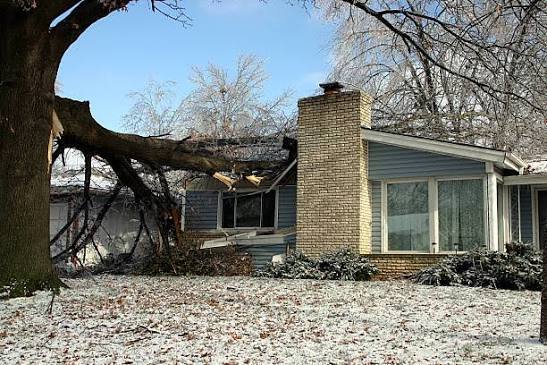
A large, heavy tree carries tremendous force when it falls. It can crush cars, punch holes through roofs, and destroy fences.
Proximity to Structures
A leaning tree that can reach your house if it falls is a ticking time bomb. The closer it is, the more urgent the situation.
Tree Condition
If the tree was already unhealthy, diseased, or had weak branches, it’s more likely to fail. Existing problems compound storm damage.
Soil Type
Sandy or loose soils don’t hold roots as well as clay or loam. Trees in sandy areas are more prone to leaning.
The Hidden Dangers
Sudden Failure
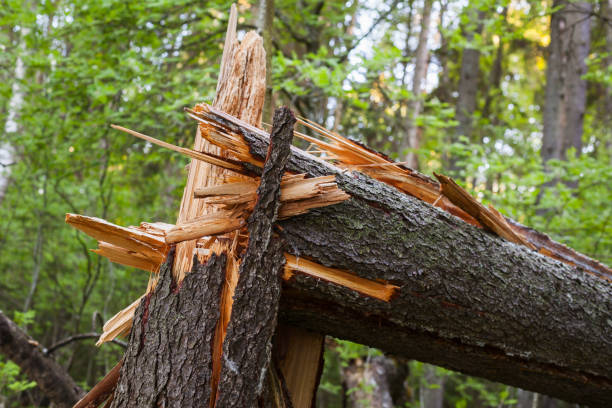
A leaning tree can fall without warning. There may be no sound, no cracking, no sign—just a sudden crash.
Secondary Damage
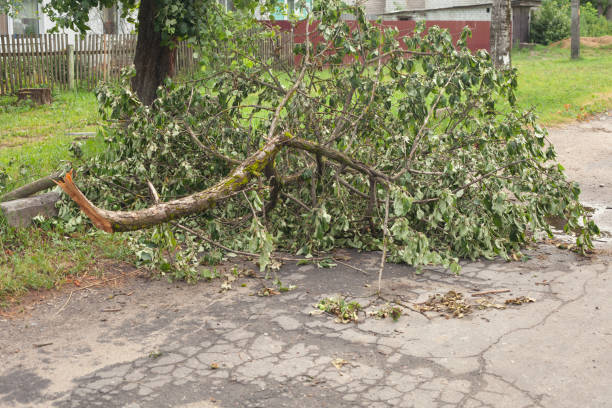
Even if the tree doesn’t fall completely, it can drop large branches unexpectedly. These can cause injury or damage.
Chain Reaction
One tree falling can take down others with it. This is especially common in wooded areas.
What to Do If You Have a Leaning Tree
1. Assess From a Distance
Stay at least 50 feet away. Look for soil cracks, exposed roots, and other warning signs.
2. Alert Others
Warn your family, neighbors, and pets to stay away from the area. Post a note on your door if needed.
3. Call a Professional
Contact a licensed tree removal company. They can assess the tree and remove it safely.
4. Take Photos
Document the lean and any damage for insurance purposes. This is important if the tree eventually causes damage.
5. Contact Insurance
If the tree is threatening your house, notify your insurance company. They may have specific requirements.
How Long Do You Have?
The truth is, no one can predict exactly when a leaning tree will fall. It could happen today, tomorrow, or in a month. The problem is that you can’t control the timing—the tree can. Factors like wind, rain, soil moisture, and even nearby construction can trigger failure. That’s why waiting is never a good strategy.
The Cost of Waiting
Property Damage
If the tree falls on your house, you could face thousands of dollars in repairs.
Insurance Issues
Insurance may not cover damage from a tree that you knew was dangerous but ignored.
Higher Removal Costs
Removing a tree that has fallen on your house is much more expensive than removing one while it’s still standing.
Safety Risks
Injury or loss of life is the most serious consequence. No amount of money can replace a loved one.
How Grindem Out Can Help
At Grindem Out, we’ve seen hundreds of leaning trees—and we know how to handle them safely. Our team responds quickly, assesses the situation, and develops a removal plan tailored to your specific circumstances. We prioritize safety and clear communication.
Our services include:
Emergency Tree Removal – Fast response for dangerous leaning trees
Tree Removal – Safe removal of all tree sizes
Stump Grinding – Complete cleanup
Tree Trimming – Preventive maintenance
Brush & Debris Removal – Storm cleanup
We’re a family-owned company that treats every property like our own. We’re licensed, insured, and committed to your safety.
We Serve the Tampa Bay Area
Our team proudly serves homeowners throughout the Tampa Bay area, including Tampa, Clearwater, Largo, Palm Harbor, Tarpon Springs, Oldsmar, Westchase, and surrounding communities.
Frequently Asked Questions
Can a leaning tree be saved with bracing or cabling?
Sometimes, if the lean is minor and the tree is otherwise healthy. However, bracing is not a guaranteed solution and requires professional installation. Removal is often the safest option.
What if the tree starts leaning after a storm but has no damage?
The lean itself is evidence of damage—the roots have been compromised. The tree is now unstable.
Will my insurance cover the cost of removing a leaning tree?
Typically, insurance covers removal only if the tree has fallen and caused damage. Removal of a standing leaning tree is usually the homeowner’s responsibility.
How much does it cost to remove a leaning tree?
Costs vary based on size, location, and complexity. The best way to get an accurate estimate is to have a professional assess the situation on-site.
What if the tree is on my neighbor’s property but leaning toward my house?
This can be a difficult situation. Start by communicating with your neighbor. If they refuse to act, you may need to seek legal advice or contact your insurance company.