How Can I Tell If a Tree Is Unsafe After a Hurricane?
The winds have died down, and the rain has stopped. You step outside to survey your property, and everything looks surprisingly intact. But those trees in your yard could be hiding serious damage that isn’t visible at first glance. Hurricane-force winds can weaken trees in ways that become dangerous days or even weeks later. Learning to spot the warning signs could save your home and protect your family.
The Short Answer
Trees become unsafe after hurricanes when their structural integrity is compromised. Key warning signs include sudden leaning, deep trunk cracks, exposed roots, hanging broken branches, and bark that’s peeling or missing. Any tree showing these signs near your home or power lines needs immediate professional attention. Don’t wait—call a licensed arborist for an inspection.
Why Hurricane-Damaged Trees Are Different
Hurricanes don’t just break branches—they stress trees in multiple ways simultaneously. The combination of wind pressure, saturated soil, and flying debris creates unique damage patterns. Furthermore, the saturated ground from heavy rain means roots lose their grip, making even healthy-looking trees susceptible to toppling. This is why Tampa Bay homeowners need to be especially vigilant after storms.
Immediate Inspection Checklist
After the storm passes and it’s safe to go outside, here’s what to look for:
Root Zone Issues
Start at the ground level. Look for soil that’s pushed up on one side of the tree—this indicates the tree has moved. Also check for roots that are broken, cracked, or pulling out of the ground. These problems mean the tree can’t anchor itself properly.
Trunk Damage
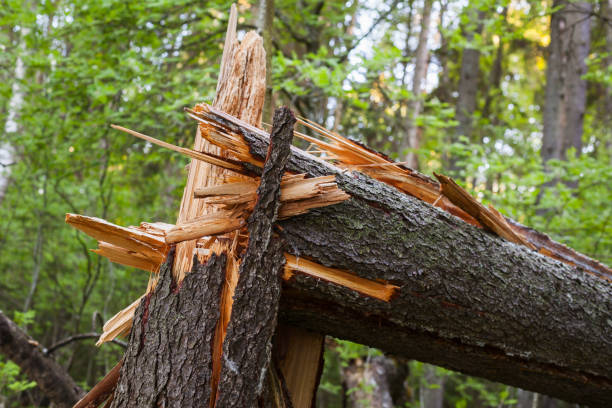
Move your eyes up the trunk. Look for vertical cracks, splits, or missing bark. Run your hand gently along the trunk (if it’s safe) to feel for loose bark or soft spots. These indicate internal damage that may not be visible.
Canopy Problems
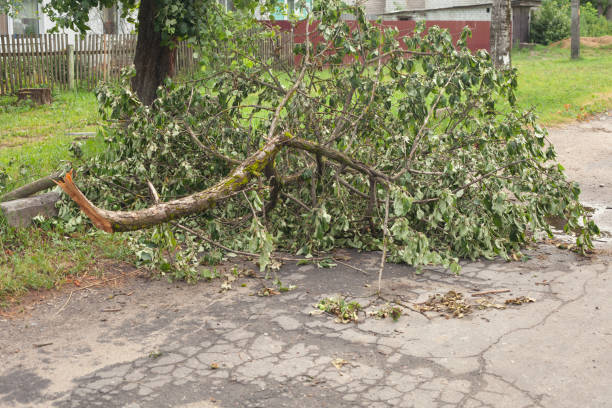
Look up at the branches. Broken but hanging branches are especially dangerous because they can fall at any time. Also check for branches that have lost leaves on only one side—this can indicate internal damage.
The Danger Zones: Where Problems Are Most Common
Trees Near Your Home
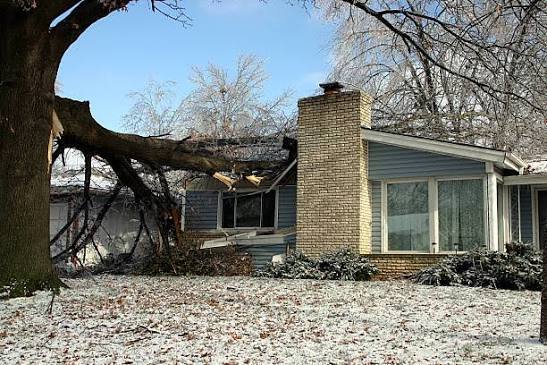
Any tree that could reach your house if it falls should be inspected carefully. Pay special attention to trees with branches overhanging your roof.
Trees Along Property Lines
Trees that could fall onto a neighbor’s property create liability issues and neighbor disputes.
Trees in Soft Soil Areas
Areas where water pooled during the storm are more likely to have root problems.
Trees That Were Previously Damaged
Trees that already had problems before the storm are more likely to fail.
What NOT to Do After a Hurricane
Don’t Wait Too Long
Unsafe trees don’t heal themselves. The longer you wait, the more likely the tree is to fall.
Don’t Try to DIY
Never attempt to remove or trim damaged trees yourself. This is dangerous work that requires professional training and equipment.
Don’t Ignore Small Problems
Minor damage can become major issues quickly, especially with Florida’s heat and humidity accelerating decay.
Don’t Forget About Insurance
Document damage with photos and contact your insurance company if the tree has hit your home.
Why Professional Inspection Is Essential
Only a trained arborist can truly assess a tree’s safety. Here’s why:
Hidden Damage
Some damage isn’t visible from the ground. Arborists know where to look and what to look for.
Expert Knowledge
Arborists understand how different tree species respond to hurricane damage. Some can recover, others can’t.
Safety Training
They know how to work around dangerous trees safely.
Proper Equipment
They have the tools needed for inspection and removal.
Understanding the 5 Warning Zones
Think of a tree as having five zones that need checking:
Zone 1: The Roots
Look for: Exposed roots, cracked soil, lifted soil
Action: If roots are damaged, the tree may not survive
Zone 2: The Base
Look for: Fungal growth, missing bark, soft spots
Action: These indicate internal decay
Zone 3: The Trunk
Look for: Cracks, splits, peeling bark
Action: Structural damage that may require removal
Zone 4: The Branches
Look for: Hanging limbs, broken branches, weak attachments
Action: Remove hazardous branches immediately
Zone 5: The Canopy
Look for: Thin leaves, dead sections, uneven growth
Action: Indicates overall tree health problems
How Grindem Out Can Help
After a hurricane, Grindem Out provides thorough tree inspections and honest recommendations. Our team understands hurricane damage patterns and can identify hidden risks. If removal is needed, we handle it safely and efficiently.
We offer:
Emergency Tree Removal – Fast response for dangerous trees
Tree Removal – Safe removal of hazardous trees
Stump Grinding – Complete cleanup
Tree Trimming – Preventive maintenance
Brush & Debris Removal – Storm cleanup
As a family-owned company, we treat your property with care. We’re licensed, insured, and committed to your safety.
We Serve the Tampa Bay Area
Our team proudly serves homeowners throughout the Tampa Bay area, including Tampa, Clearwater, Largo, Palm Harbor, Tarpon Springs, Oldsmar, Westchase, and surrounding communities.
Frequently Asked Questions
Can a tree be safe if it has minor bark damage?
Yes, if the damage is less than 25% of the trunk circumference, the tree can often recover. However, monitor it closely for signs of decline.
What if a tree is leaning but doesn’t seem damaged?
Any sudden lean is serious. The root system has likely failed, and the tree could fall without warning. Call a professional immediately.
Should I remove a tree that’s touching my house?
If a tree is touching your house after a hurricane, it’s likely damaged and should be removed by a professional. Don’t attempt to move it yourself.
How do I know if a tree is dead?
A dead tree will have no leaves, brittle branches, and peeling bark. However, some trees take weeks to show signs of death. Get a professional opinion.
Will my insurance cover tree removal after a hurricane?
Typically, yes—if the tree has damaged a covered structure. Removal of standing damaged trees is usually the homeowner’s responsibility. Check your policy.