How Can I Tell If a Palm Tree Needs to Be Removed Instead of Trimmed?
You have a palm tree that doesn’t look quite right. The fronds are drooping, or maybe the trunk looks strange. You’re wondering: can it be saved with a trim, or is it time to say goodbye? This is a common question for Florida homeowners. The answer depends on what’s wrong with the tree.
The Short Answer
A palm tree needs removal instead of trimming when it’s dying, diseased, or dangerous. Signs include a leaning trunk, soft or damaged trunk, dead crown, or incurable disease. Trimming is the right choice for healthy palms that just need maintenance.
The Healthy vs. Unhealthy Palm
A Healthy Palm:
Produces new fronds regularly
Has a sturdy, solid trunk
Stands straight
Shows no signs of disease or pests
Responds well to trimming
An Unhealthy Palm:
Stops producing new fronds
Has a soft, hollow, or damaged trunk
Leans significantly
Shows signs of disease or pests
Doesn’t respond to care
The 4 Questions to Ask
Question 1: Is the Trunk Sound?
Press on the trunk. Is it soft or hollow? Are there cracks or holes? If the trunk is compromised, the palm is dangerous.
Question 2: Is the Crown Alive?
Look at the top of the palm. Are there new fronds growing? If the crown is dead, the palm can’t recover.
Question 3: Is It Leaning?
A leaning palm is a sign of root failure. It could fall at any time.
Question 4: Is It Diseased?
Some diseases are fatal. If your palm has an incurable disease, removal is the only option.
Palm Problems That Mean Removal
Lethal Yellowing
This disease causes fronds to yellow and droop. It’s spread by insects and is fatal. There’s no cure.
Ganoderma Butt Rot
A fungus that attacks the trunk from the inside. It causes decay and eventual collapse. The palm will die.
Palm Weevils
These pests bore into the trunk. They can destroy a palm from the inside out. Severe infestations are often fatal.
Lightning Damage
A lightning strike can kill a palm instantly. Even if it survives, the damage often leads to decline.
Root Failure
When roots fail, the palm can’t get water or nutrients. It will eventually die and may fall.
What Trimming Can and Can’t Do
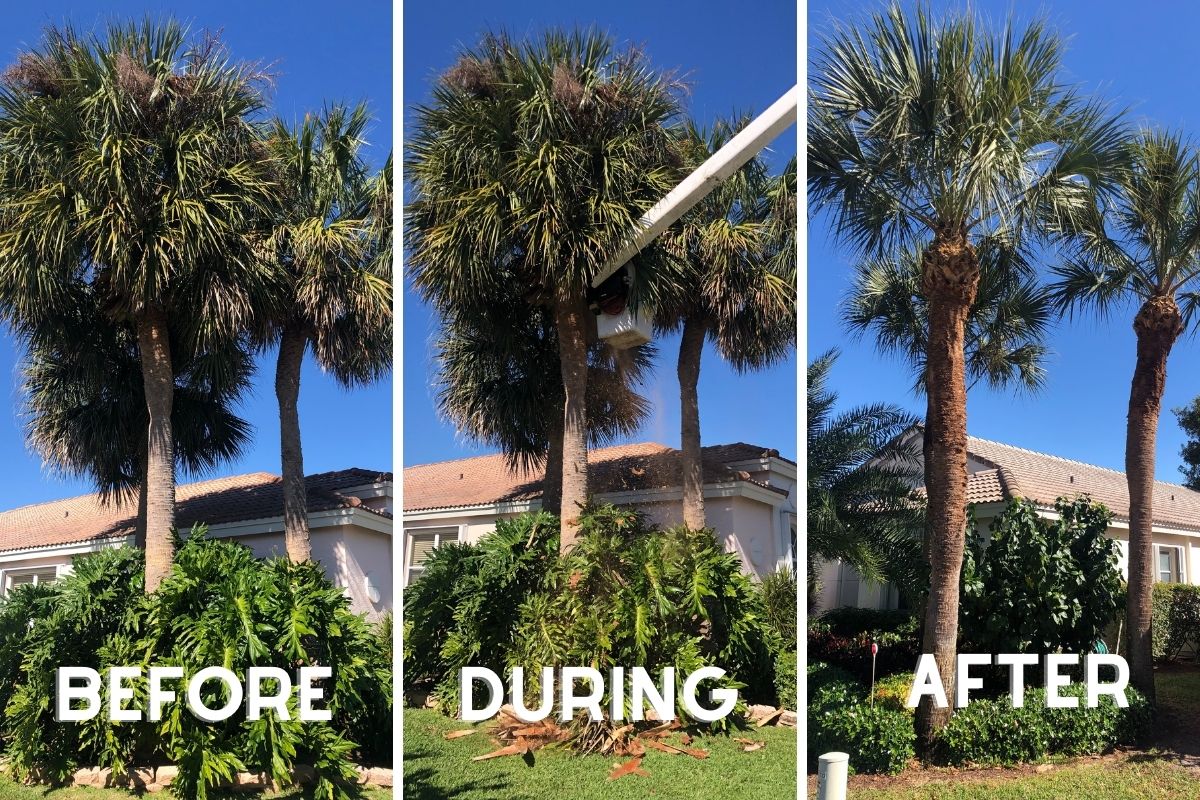
Trimming Can:
Remove dead fronds
Remove seed pods
Improve appearance
Reduce wind resistance
Prepare for hurricane season
Trimming Can’t:
Fix a dying palm
Repair trunk damage
Cure disease
Stop root failure
Save a dead crown
The Decision Matrix
Trim If:
The palm is healthy
Only fronds need removal
You’re maintaining appearance
You’re preparing for storms
Remove If:
The trunk is damaged or soft
The palm is leaning
The crown is dead
The palm has incurable disease
The palm is a safety hazard
What Happens During Removal
Step 1: Assessment
A professional evaluates the palm and determines the safest removal method.
Step 2: Preparation
The area is cleared and safety equipment is set up.
Step 3: Removal
Using proper techniques, the palm is cut down and removed.
Step 4: Stump Grinding
The stump is ground below ground level.
Step 5: Cleanup
All debris is removed from your property.
Why Professional Assessment Matters
Experience
Professionals have seen hundreds of palms. They know the signs of decline.
Knowledge
They understand palm diseases and their treatments. They know when a palm can be saved and when it can’t.
Safety
Removing a palm is dangerous work. Professionals have the equipment and training.
Peace of Mind
You’ll know you’re making the right decision for your palm and your property.
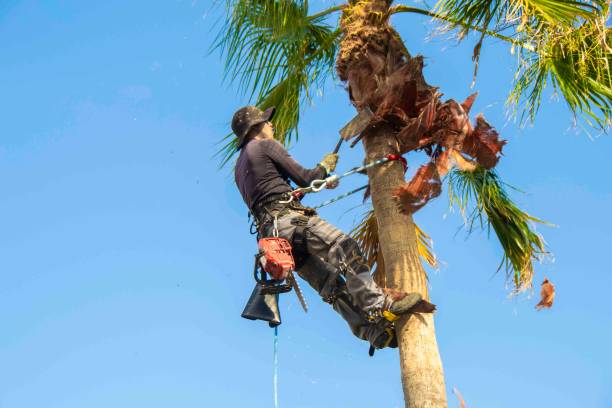
We Serve the Tampa Bay Area
Our team proudly serves homeowners throughout the Tampa Bay area, including Tampa, Clearwater, Largo, Palm Harbor, Tarpon Springs, Oldsmar, Westchase, and surrounding communities.
Frequently Asked Questions
How do I know if my palm tree is dying?
A dying palm will have brown fronds, no new growth, and may have a soft trunk. If you’re unsure, have a professional inspect it.
Can a palm tree with a leaning trunk be saved?
Usually not. A leaning trunk means the roots are failing. The palm is unstable and should be removed.
What diseases affect palm trees in Florida?
Common diseases include lethal yellowing, Ganoderma butt rot, and fusarium wilt. Some are fatal and require removal.
How much does palm tree removal cost?
Costs vary based on the tree’s size, location, and accessibility. A professional can provide an accurate estimate.
Can I remove a palm tree myself?
No. Palm removal is dangerous and requires specialized equipment. Always hire a professional.