How Are Very Large Trees Safely Removed?
Removing a massive tree isn’t like cutting down a small one in the backyard. It requires specialized equipment, years of training, and careful planning. Professionals use techniques like climbing and roping, crane assistance, and piece-by-piece dismantling to bring down large trees safely without damaging property.
The Short Answer
Large trees are removed through a careful process that involves climbing, rigging, and often heavy equipment. Arborists cut the tree into sections and lower each piece safely to the ground. This prevents the tree from falling uncontrolled and causing damage.
Why This Matters for Homeowners
For homeowners in Tampa, Clearwater, and across the Tampa Bay area, large trees are part of the landscape. Our climate produces tall, majestic trees that can grow to impressive sizes. However, when these giants become hazardous, diseased, or need removal for construction, the job requires expertise. Understanding how professionals handle this process gives you confidence that the job will be done safely.
The Step-by-Step Process
Step 1: Assessment and Planning
The team evaluates the tree’s size, condition, and location. They identify obstacles like houses, power lines, and other structures. Consequently, a detailed removal plan is developed.
Step 2: Site Preparation
The area around the tree is cleared. Equipment is positioned. Safety zones are established. The team ensures everything is ready for a smooth operation.
Step 3: Climbing and Rigging
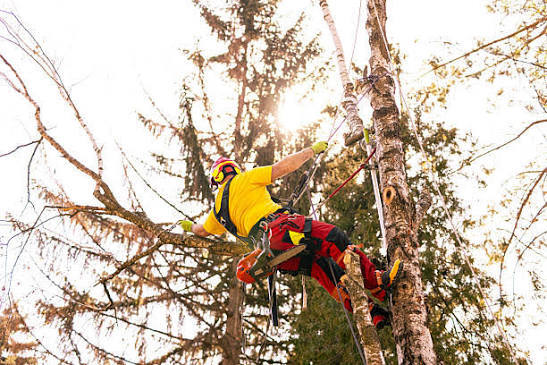
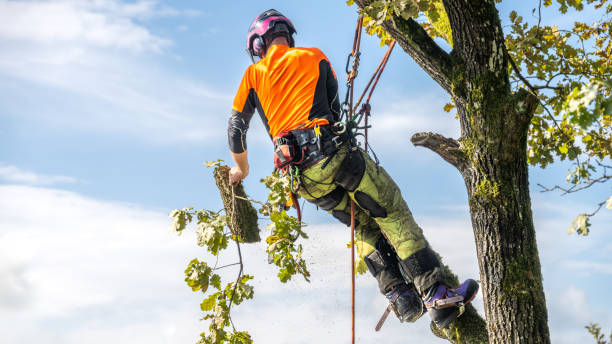
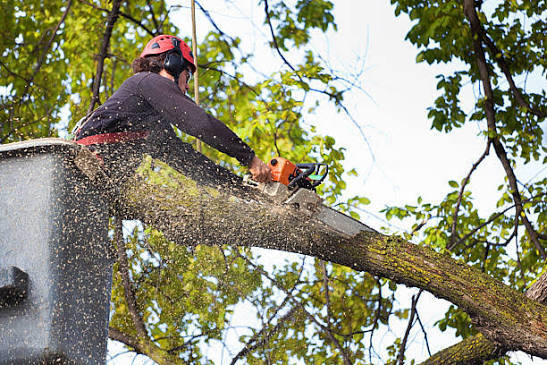
Arborists climb the tree or use a bucket truck to reach the top. They install ropes, pulleys, and rigging systems that will control how each section comes down.
Step 4: Piece-by-Piece Dismantling
Instead of cutting the whole tree down, professionals remove it in sections. They cut branches and trunk pieces, lowering each piece carefully with ropes.
Step 5: Crane Assistance
For extra-large trees or those in tight spots, a crane is used. The crane lifts heavy sections over the house or other obstacles.
Step 6: Ground Operations
As pieces come down, ground workers guide them to a safe landing zone. Meanwhile, they cut pieces for disposal or firewood.
Step 7: Cleanup
The team removes all debris, including branches, logs, and leaves. The property is left clean and safe.
Step 8: Stump Grinding
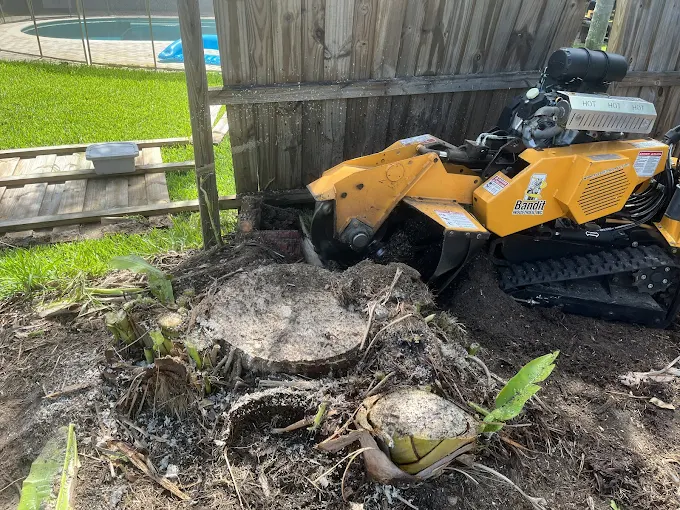
If the stump needs to be removed, it’s ground down below ground level. This allows for landscaping or construction.
Key Techniques Used for Large Trees
Climbing and Roping
Arborists climb the tree and attach ropes to branches. These ropes control the descent of each cut piece. It’s like a controlled lowering system.
Crane Removal
For trees that are too dangerous to climb or too close to structures, a crane lifts sections away. Therefore, this is the safest method for the most challenging jobs.
Directional Felling
In rare cases where there’s enough open space, the tree can be cut to fall in a specific direction. However, this is only possible when there are no obstacles in the fall path.
Bucket Truck Access
Bucket trucks allow arborists to reach high branches safely. As a result, this is more efficient and safer than climbing in some situations.
What Equipment Is Used?
Removing a large tree requires specialized equipment:
Chainsaws: Professional-grade saws for cutting wood.
Climbing Gear: Ropes, harnesses, and safety gear for arborists.
Rigging Equipment: Pulleys, ropes, and lowering devices.
Bucket Trucks: For reaching high branches safely.
Cranes: For lifting heavy sections over obstacles.
Wood Chippers: For processing branches and debris.
Stump Grinders: For removing the stump after the tree is down.
Why Professional Skills Matter
Physical Strength
Working with large trees is physically demanding. Arborists need strength and stamina.
Technical Knowledge
Understanding tree biology, cutting techniques, and rigging systems is essential.
Safety Training
Working at heights and with heavy equipment requires specialized safety training.
Experience
Years of practice are needed to handle the unexpected challenges that arise. Additionally, experienced arborists can adapt to changing conditions.
What Makes Large Tree Removal Different?
Weight
Large trees can weigh tens of thousands of pounds. Managing this weight requires careful planning.
Height
Working at heights over 80 feet requires specialized skills and equipment.
Complexity
Each large tree is unique. In fact, the removal method depends on its size, shape, location, and condition.
Risk
The consequences of mistakes are serious. Property damage or injury can occur if the job goes wrong.
Why You Should Never DIY
Removing a large tree yourself is extremely dangerous for several reasons:
Unpredictable Weight: You can’t control where a large tree falls.
Climbing Danger: Working at height is risky without proper training.
Equipment Needs: Professional gear is essential and expensive.
Property Damage: One mistake can destroy your home.
Injury Risk: Chainsaw accidents and falls are serious.
When to Call a Professional
You should call a professional for large tree removal when:
The tree is over 50 feet tall.
The tree is near your house or power lines.
The tree is dead, diseased, or leaning.
You want to clear land for construction.
You’re unsure about the tree’s condition.
How Grindem Out Can Help
At Grindem Out, we have the expertise, equipment, and experience to handle even the largest trees. Our team uses proven techniques like climbing and roping, crane assistance, and piece-by-piece dismantling to safely remove any tree.
We offer:
Tree Removal for trees of all sizes
Emergency Tree Removal for urgent situations
Stump Grinding for a clean finish
Tree Trimming for maintenance
Mulching Service and Brush & Debris Removal
As a family-owned company, we treat your property with care. We communicate clearly, show up on time, and leave your yard cleaner than we found it. Furthermore, we’re fully licensed and insured for your peace of mind.
We Serve the Tampa Bay Area
We proudly serve homeowners throughout the Tampa Bay area, including Tampa, Clearwater, Largo, Palm Harbor, Tarpon Springs, Oldsmar, Westchase, and surrounding communities. We know the local trees and conditions, so you can trust our advice.
Frequently Asked Questions
Can any tree be removed with a crane?
Most large trees can be removed with a crane, but it depends on access. If the crane can reach the tree safely, it’s an option. The arborist will assess this during the inspection.
How long does it take to remove a large tree?
A large tree can take anywhere from a few hours to a full day or more. However, the time depends on the tree’s size, location, and complexity.
Is crane tree removal more expensive?
Yes, crane removal costs more because of the equipment and additional labor required. However, it’s often the safest option for trees in difficult locations.
Can you remove a large tree without a crane?
Yes, many large trees are removed through climbing and roping techniques. Cranes are used only when necessary for safety or access.
How do you protect the house during large tree removal?
Professionals use rigging to control where each piece falls. Additionally, they use padding and coverings to protect roofs and gutters. The removal plan is designed to avoid any contact with the house.